Future-Ready Offices in Cyprus: A Complete Guide 2025
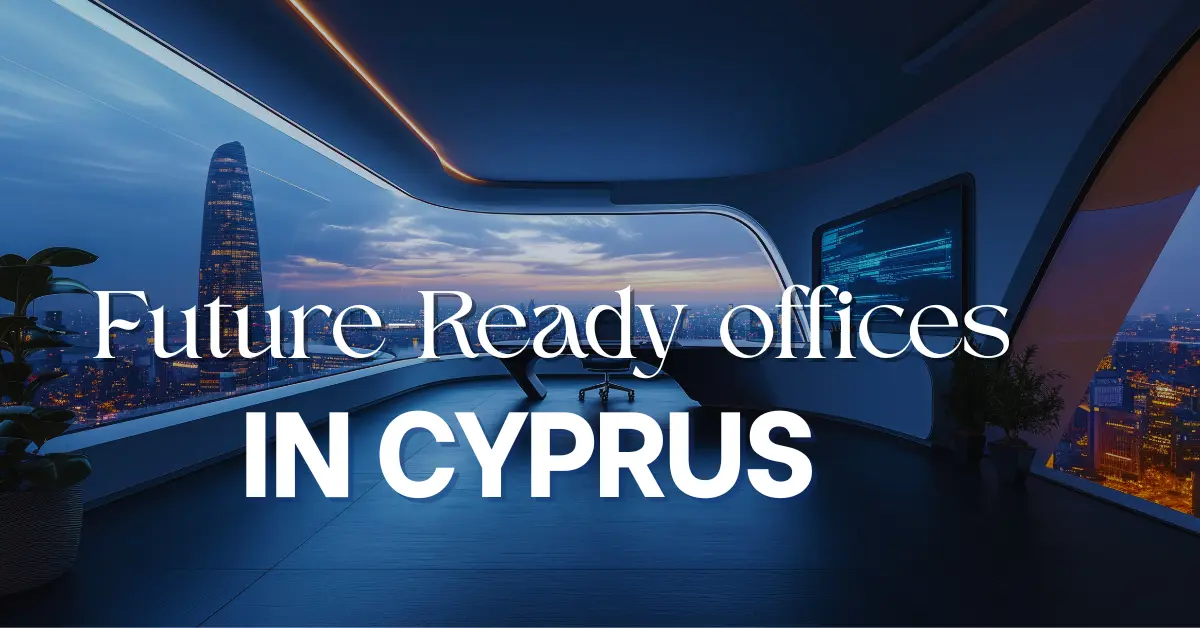
Cyprus is evolving. Known for its rich history and beautiful coastlines, the island is now rapidly becoming a dynamic business hub. As companies flock to cities like Limassol and Nicosia, the demand for modern office spaces is surging. This isn’t just about new buildings; it’s about a fundamental shift in how we think about the workplace. The future of offices in Cyprus lies in creating intelligent, sustainable, and human-centric environments that can adapt to the changing needs of business.
These next-generation workspaces are designed to do more than just house employees. They integrate smart technology to boost efficiency, embrace sustainable practices to protect the environment, and prioritize employee well-being to attract and retain top talent. For businesses in Cyprus, investing in a future-ready office is no longer a luxury—it is a strategic necessity for driving innovation and securing a competitive edge.
This guide will explore the key elements that define future-ready offices in Cyprus. We will look at the latest modern workplace trends, from AI-powered systems to green building solutions, and discuss how they come together to create the workplace of tomorrow. Whether you are in a bustling commercial hub or an emerging business district, understanding these concepts is crucial for long-term business growth.
The Pillars of a Modern Office in Cyprus
A future-ready office is built on several interconnected pillars. These elements work together to create an environment that is efficient, inspiring, and adaptable. For businesses in Cyprus, understanding these core components is the first step toward creating a next-generation workspace.
Technology: The Rise of Smart Offices
The integration of smart office technology is at the heart of the modern workplace transformation. Intelligent office design uses technology to automate tasks, optimize resource usage, and enhance the employee experience. This digital transformation is not just about adopting new gadgets; it is about creating a seamless and intelligent ecosystem.
IoT and AI in the Workplace
The Internet of Things (IoT) connects everyday office objects to the internet, allowing them to send and receive data. This creates a network of smart devices that can be managed centrally. For instance, IoT-enabled offices can have smart lighting and climate control that adjust automatically based on occupancy and time of day, significantly reducing energy consumption.
Artificial intelligence (AI) takes this a step further. AI in workplaces can analyze data from IoT sensors to make predictive decisions. AI-powered office systems can anticipate meeting room needs, manage energy usage, and even personalize workstation settings for individual employees. This level of office automation frees up employees from mundane tasks and allows them to focus on more creative and strategic work. Key applications include:
- Cloud-Based Workflows: Enabling seamless remote and in-office collaboration.
- Smart Building Systems: Centralized management of lighting, HVAC, and security.
- AI-Driven Workplace Tools: Assisting with everything from scheduling to data analysis.
Sustainability: Green Building for a Better Future
As global environmental concerns grow, sustainable office design has become a priority. Energy-efficient offices not only reduce operational costs but also enhance a company’s brand reputation. In Cyprus, where sunshine is abundant, the potential for sustainable architecture is immense.
Eco-Friendly Design and Green Certifications
Modern offices are increasingly built with eco-friendly materials and designed to maximize natural resources. Green workspaces incorporate features like large windows for natural light optimization, which reduces the need for artificial lighting and has been shown to improve employee mood and productivity.
Many new developments in Cyprus are pursuing green building solutions and aiming for certifications like LEED (Leadership in Energy and Environmental Design) or BREEAM (Building Research Establishment Environmental Assessment Method). These standards provide a framework for creating healthy, highly efficient, and cost-saving green buildings. Key elements include:
- Solar-Powered Buildings: Harnessing Cyprus’s ample sunlight to generate clean energy.
- Water Conservation Systems: Including rainwater harvesting and efficient fixtures.
- Use of Recycled and Local Materials: Reducing the carbon footprint of construction.
These low-energy offices demonstrate a commitment to environmental efficiency, which is attractive to both clients and a new generation of environmentally-conscious talent.
Well-Being: A Human-Centric Approach
The workplace of tomorrow prioritizes the people within it. Human-centric office design focuses on creating spaces that support employee well-being, both physical and mental. A wellness-focused workplace is proven to boost productivity, reduce absenteeism, and improve employee retention.
Designing for Health and Productivity
Employee well-being starts with a healthy physical environment. This includes providing ergonomic furniture to prevent strain, ensuring clean air quality, and optimizing acoustics with elements like acoustic panels to reduce noise distractions.
Biophilic design is another key trend, which involves incorporating natural elements into the office. Features like indoor plants, water features, and natural materials create a calming and restorative atmosphere. Mental health-friendly offices also provide quiet zones for focused work, relaxation areas, and spaces that encourage social interaction. Ultimately, the goal is to enhance the overall employee experience, making the office a place where people genuinely want to be. Key considerations are:
- Ergonomic Furniture: Adjustable desks and chairs to support good posture.
- Natural Light Optimization: Maximizing daylight to improve mood and reduce eye strain.
- Biophilic Design: Connecting employees with nature to reduce stress.
Flexibility: Adapting to Hybrid Work Models
The rise of remote work has permanently altered expectations about where and how work gets done. Future-ready offices are designed to support hybrid work models, offering flexible workspaces that cater to a fluid workforce.
Collaborative and Hybrid Spaces
A flexible office layout moves away from traditional cubicles and assigned seating. Instead, it offers a variety of work settings, from private booths for focused tasks to open collaborative spaces for teamwork and brainstorming. This allows employees to choose the environment that best suits their needs at any given moment.
In Cyprus, this trend is visible in the growing popularity of coworking spaces and serviced offices, which offer businesses the flexibility to scale their space up or down as needed. Smart furniture and modular design make it easy to reconfigure layouts, ensuring optimal space optimization. For companies embracing hybrid office connectivity, intelligent meeting rooms equipped with advanced video conferencing technology are essential to bridge the gap between in-office and remote team members.
The Business Case for Future-Ready Offices
Adopting these modern workplace trends is not just about staying current; it’s a strategic business decision with a clear return on investment (ROI). The benefits of future-ready offices extend across the entire organization.
Enhancing Productivity and Employee Retention
A workplace that supports well-being and offers flexibility directly impacts employee satisfaction and morale. When employees feel comfortable, healthy, and empowered, their productivity naturally increases. Furthermore, a commitment to sustainability and a positive employee experience makes a company a more attractive employer. In a competitive market, a state-of-the-art office can be a deciding factor for talent attraction.
Driving Innovation and Business Growth
Collaborative spaces and an environment that fosters creativity can lead to greater innovation. When people from different teams can easily interact, ideas flow more freely. This is why many future-ready offices are designed as innovation hubs. For Cyprus, which aims to strengthen its position in the global economy, creating these kinds of environments is crucial for fostering economic development and attracting foreign investment.
Securing the Intelligent Workplace
As offices become more connected, cybersecurity in offices becomes a critical concern. A smart office is a network of devices generating vast amounts of data, making it a potential target for cyber threats.
Protecting this digital infrastructure is paramount. This involves implementing robust security measures for everything from the building’s IoT network to cloud-based workflows. Data protection policies must be established to safeguard sensitive company and employee information. Secure digital infrastructure requires a multi-layered approach, including network security, cloud security, and regular employee training on digital workplace security best practices.
Challenges on the Path to Transformation
While the benefits are clear, the transition to a smart office is not without its hurdles. Companies in Cyprus must navigate several challenges in implementing smart offices.
The initial cost barriers of investing in new technology and green building materials can be significant. Furthermore, technology integration issues can arise when trying to make different systems from various vendors work together seamlessly. Perhaps the most significant of the digital transformation obstacles is the human element. Training and adaptation challenges are common, as employees need time to learn how to use new tools and adjust to new ways of working. Overcoming these obstacles requires careful planning, a phased implementation strategy, and a strong focus on change management.
Looking Ahead: The Future of Offices in Cyprus
The evolution of the workplace is an ongoing process. Looking toward workplace trends for 2030, we can expect even greater integration of technology and a deeper focus on creating holistic office ecosystems.
We may see smart city integration, where office buildings communicate with city infrastructure to manage traffic and energy consumption. The lines between work and life could blur further with concepts like co-working and co-living hybrids gaining traction. AI-driven future workspaces will become even more personalized, with environments that adapt to an individual’s biometric data and work patterns. These connected office environments will form the backbone of the next generation of business in Cyprus.
Frequently Asked Questions (FAQs)
1. What exactly is a “future-ready office”?
It’s a smart, sustainable workspace designed to adapt to modern business needs and support employee well-being.
2. What are the main benefits for a business in Cyprus to invest in a future-ready office?
Future-ready offices boost productivity, reduce costs, support innovation, and help attract top talent.
3. How does technology play a role in a smart office?
Technology automates tasks and connects office systems for better efficiency and comfort.
4. Is a sustainable office expensive to build?
It may cost more at first, but it saves money long-term by cutting energy and water use.
5. How can my business in Cyprus start transitioning to a more modern office?
Start small, like adding flexible spaces or smart tech, and gradually upgrade as needed.
6. What is “human-centric design” and why is it important?
It means designing spaces that improve employees’ health, comfort, and productivity.
Your Next Step Toward the Future
The shift toward future-ready offices is reshaping the commercial landscape of Cyprus. From the bustling business districts of Limassol and Nicosia to the growing hubs in Larnaca and Paphos, the workplace of tomorrow is being built today. By embracing smart technology, sustainability, human-centric design, and flexibility, businesses can create environments that not only boost their bottom line but also contribute to a better future.
This journey requires a clear vision and strategic investment. It’s about more than just a physical space; it’s about building a culture of innovation, well-being, and adaptability. As Cyprus continues its path of business growth, the companies that lead this transformation will be the ones that thrive.
For more information, please visit our website.